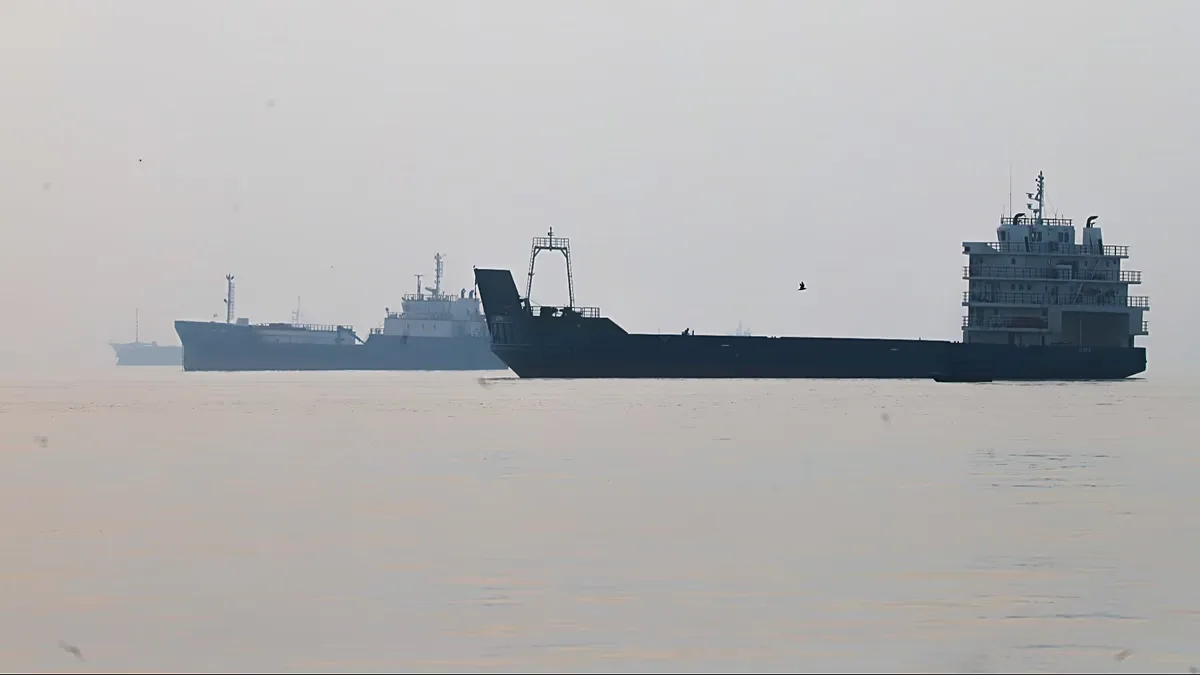
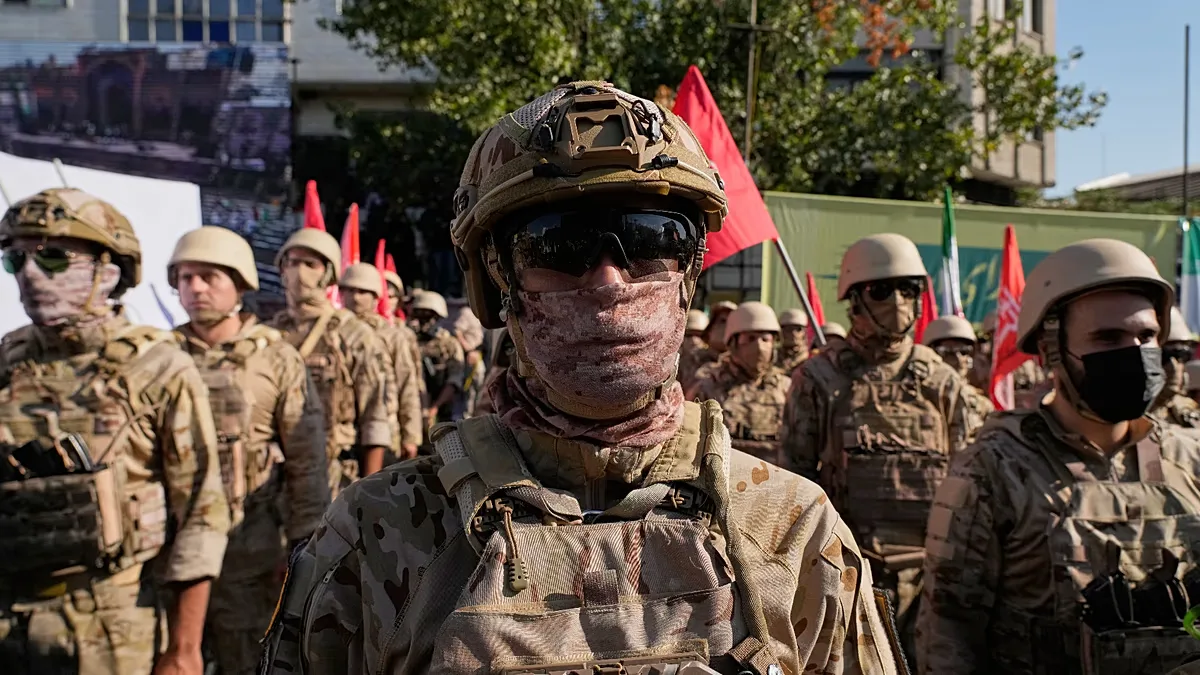
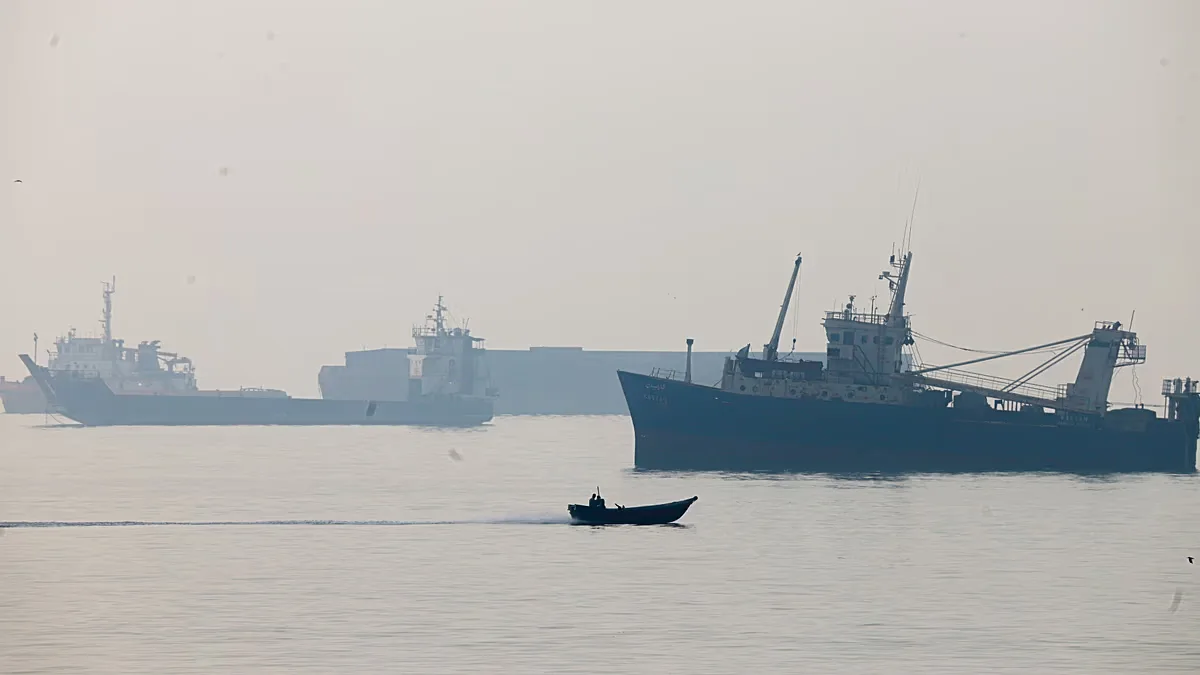
Iran's Revolutionary Guard warned that vessels "violating" its designated routes would be pursued and "punished" anywhere in the region, as maritime agencies reported two further strikes on commercial ships in the Persian Gulf.
Two commercial vessels were hit within 24 hours — one off Qatar, the first attack in that area in six months, and one off Fujairah in the Gulf of Oman — as IRGC-affiliated outlets suggested Tehran had extended operations beyond the crucial strait.
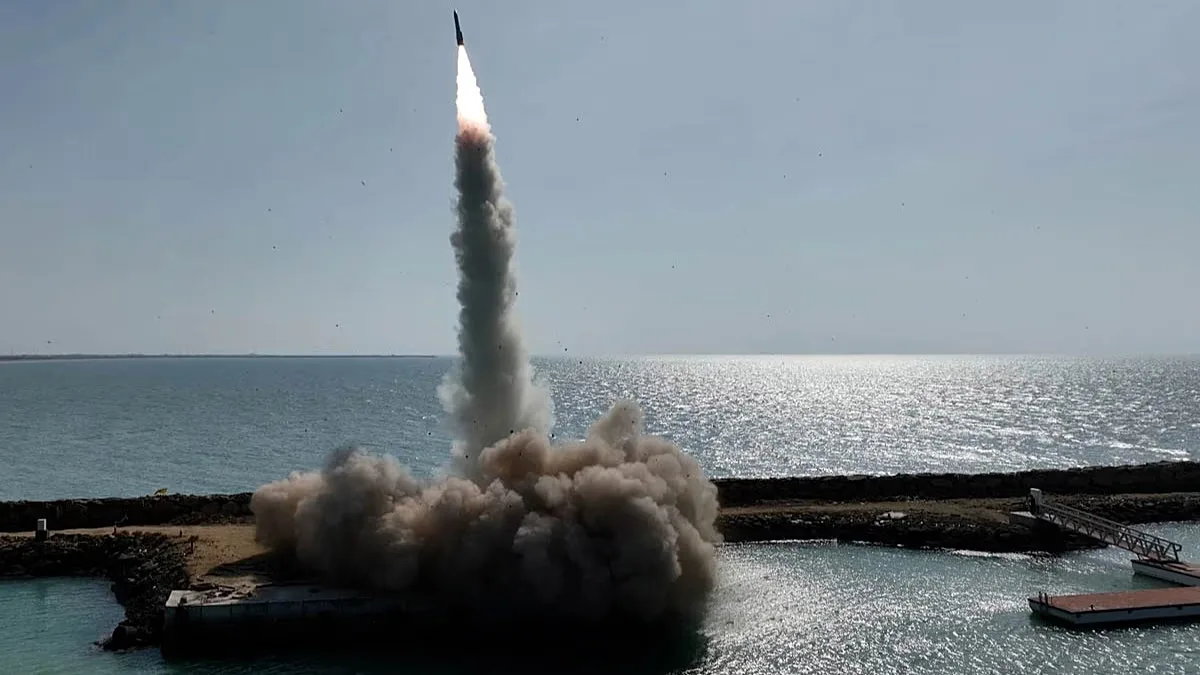
Iran's army spokesman said Tehran's forces were prepared to strike first "should circumstances require it," while IRGC officials claimed tighter control of Hormuz, and Washington publicly pondered how much authority Pezeshkian and Araghchi actually wielded.
The Iran war has disrupted global trade as regional powers prepare to bolster Saudi Arabia's defences. Qatar said talks to end the war remained active and backed the Mecca defence alliance, but added that it was too early to discuss joining the pact.
The CEO of the world's biggest oil company warned at a conference that the global oil supply system is reaching its limit and that replenishing global oil stockpiles could take two years.
Iran's military said it retained full control of Hormuz and the foreign minister said the strait could reopen within seven days if Tehran's conditions were met, after US Treasury Secretary Bessent said Iran had not loaded a single barrel of crude onto tankers in September.