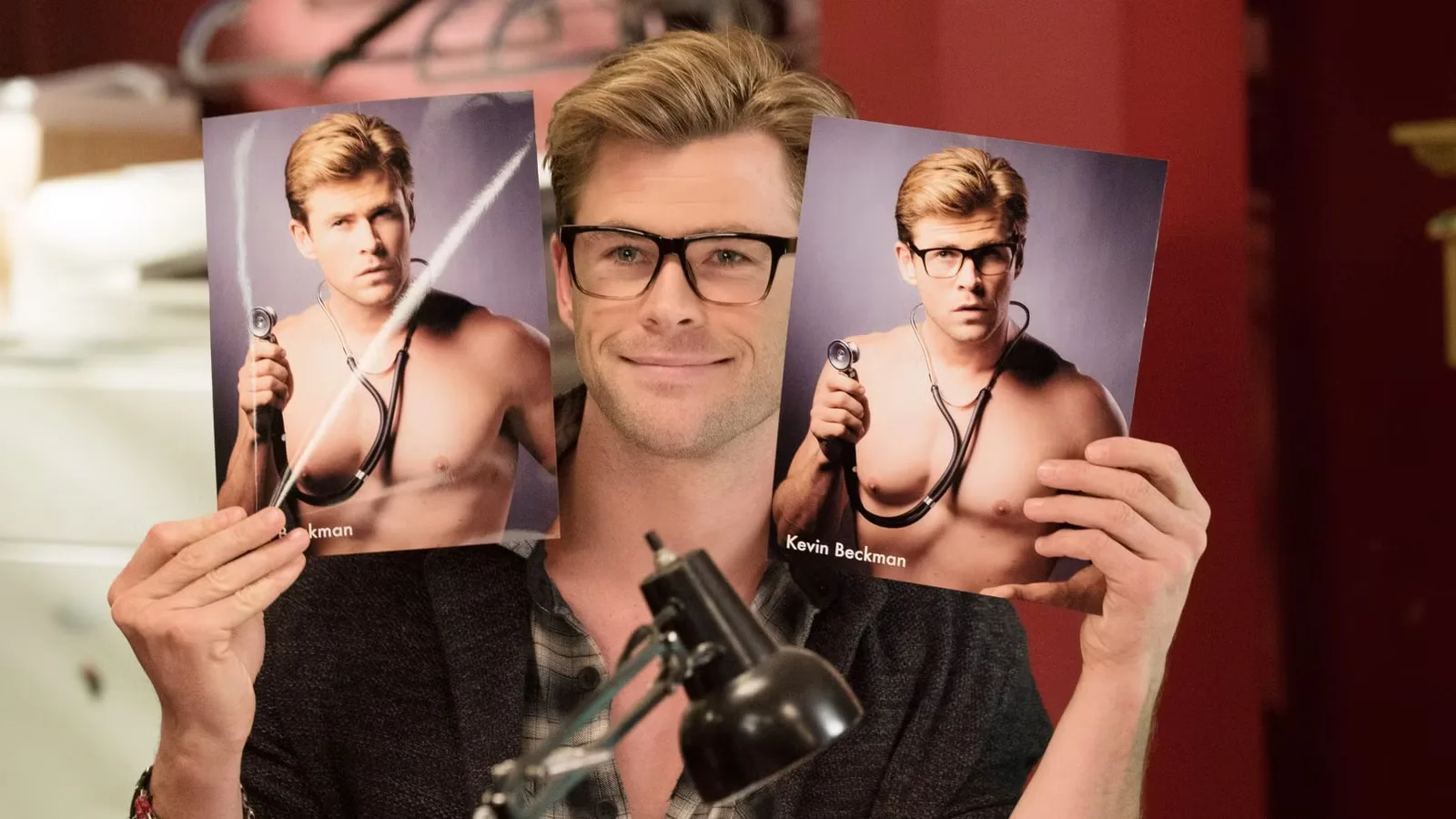
On paper, reuniting one of the most successful director-actor pairs of the 2010s to reboot a franchise that audiences were hungry to revisit seemed like a home run. However, the plan ended in disaster and changed how Hollywood makes and markets movies. It was the mid-2010s, and Melissa McCarthy was one of the biggest box-office draws in the business. She broke out with Bridesmaids, and then headlined a string of hits including The Heat and Spy. All three movies were directed by Paul Feig, and they grossed a combined total of around $1 billion worldwide. It made all the sense in the world to get the two together for a reboot of a long-running horror comedy franchise that had been hovering in limbo for years. The movie in question is currently streaming on Netflix, but not for much longer.

With McCarthy on board, the studio rounded up the film's cast with comedy stars such as Kristen Wiig, Kate McKinnon, Leslie Jones, and Chris Hemsworth in an against-type cameo. The film's behind-the-camera team was spearheaded by Feig, who also wrote the screenplay with Katie Dippold; she would go on to win accolades for creating the Apple TV series Widow's Bay. But things began to go off the rails immediately after the film's first teaser was unveiled; it ended up becoming the most downvoted trailer in history on YouTube. The backlash continued, and eventually impacted the film's performance at the box office. It was one of the earliest examples of review-bombing in the internet age, often motivated by misogyny or bias and targeted at fan-focused properties that prominently feature women and other minorities.
Comments 0
No comments yet. Start the conversation.
Leave a comment